Download Mendeley
Interaction of cytochrome P450 3A4 with the hydrophilic ligand tetraethylene glycol.
Sevrioukova, I.F.(2025) Biochem Biophys Res Commun 794: 153040-153040
- PubMed: 41297515
- DOI: https://doi.org/10.1016/j.bbrc.2025.153040
- Primary Citation of Related Structures:
9YK4 - PubMed Abstract:
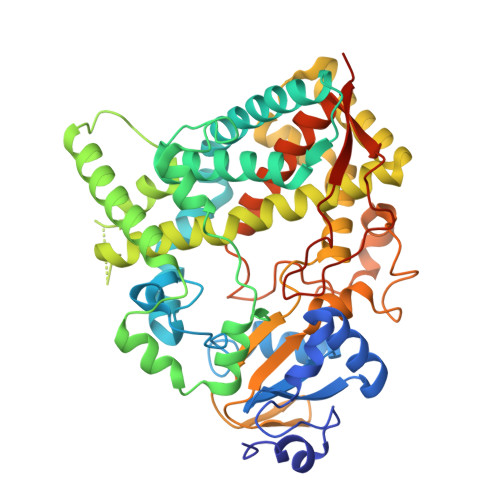
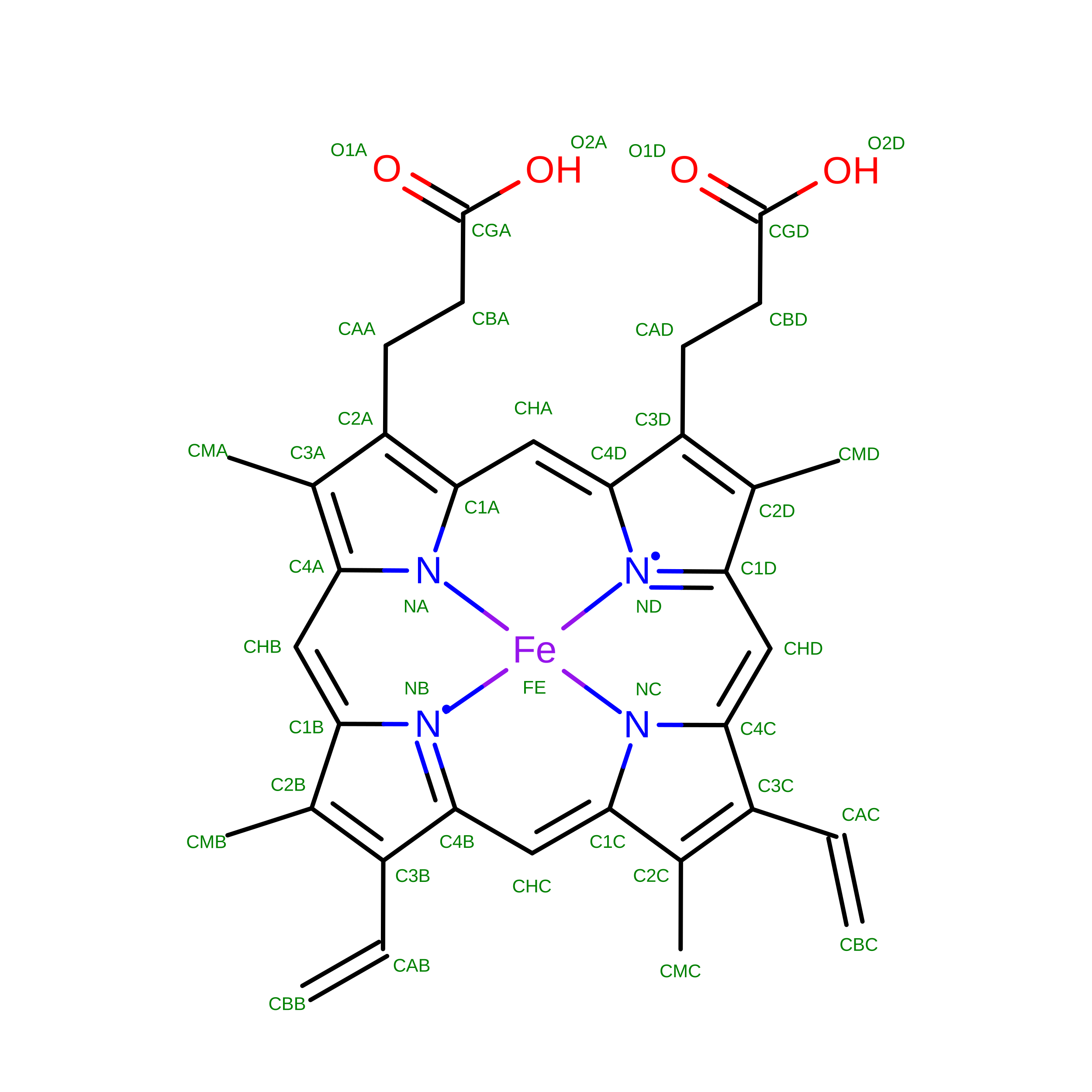
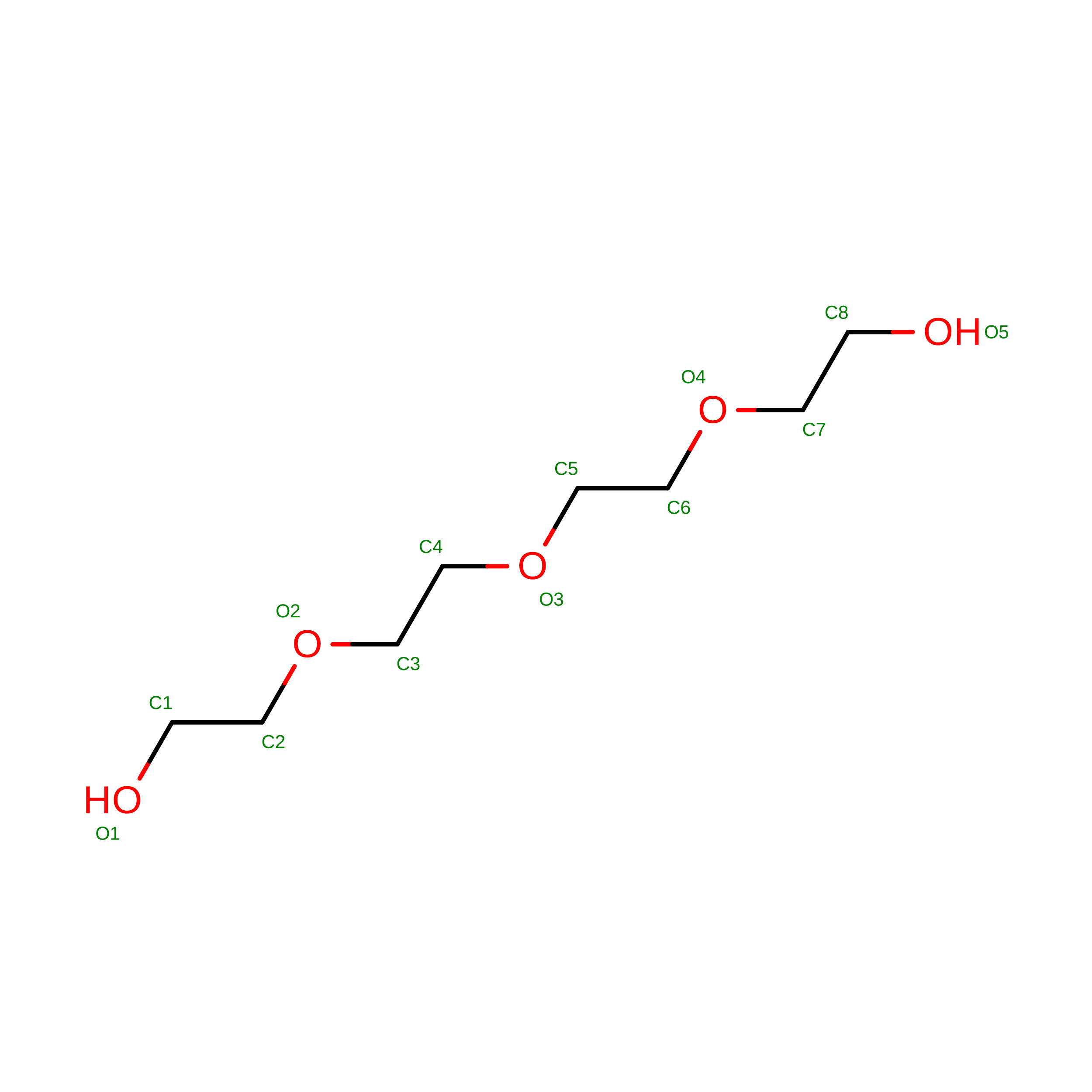
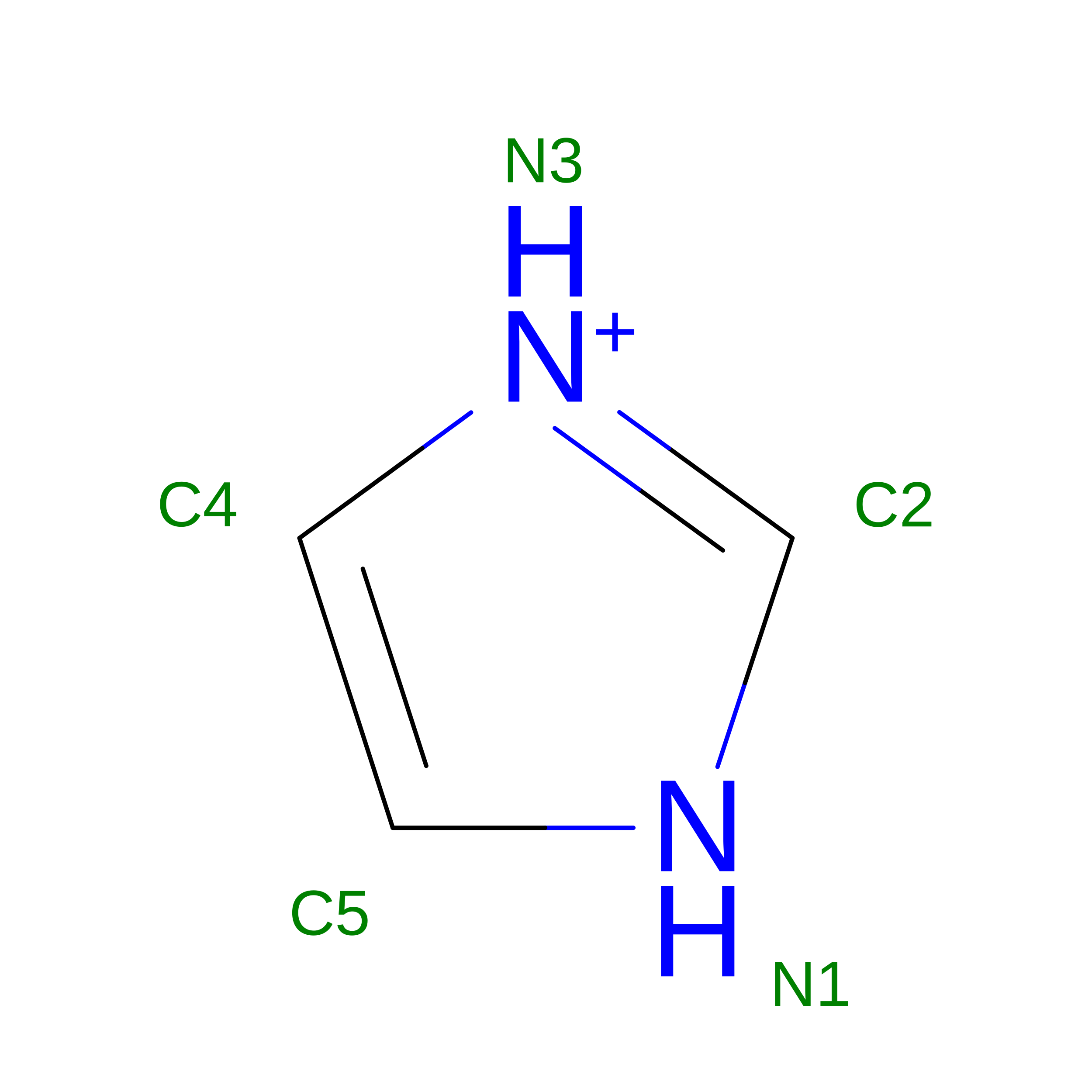
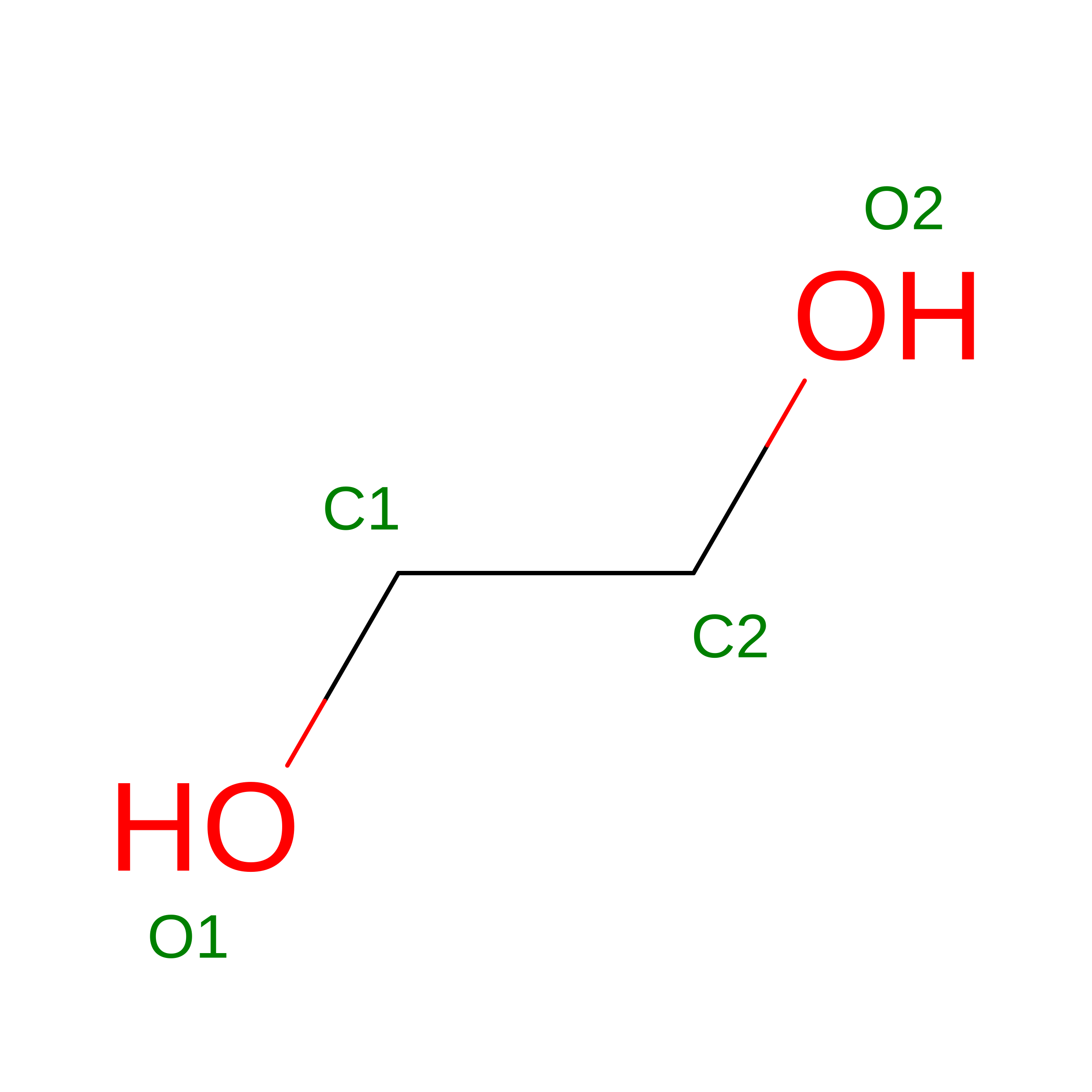
Human cytochrome P450 3A4 (CYP3A4) is a clinically important drug-metabolizing enzyme that can oxidize a wide range of structurally diverse compounds. Due to hydrophobic nature of the active site, CYP3A4 preferably binds and biotransforms lipophilic compounds. However, small hydrophilic molecules can also interact with CYP3A4 and affect its activity via mechanisms that are incompletely understood, partly due to limited structural information. This paper describes the high-resolution X-ray structure of CYP3A4 complexed with the heme-ligating imidazole and two molecules of tetraethylene glycol (TEG1 and TEG2) originating from the crystallization solution. TEG1 binds to the active site in a curled conformation stabilized by multiple direct and water-mediated H-bonds with S119, R212, R372 and the heme propionate. TEG2, in turn, docks on the outer surface in two alternative conformations, strengthening intermolecular contacts in the crystal lattice. In vitro studies showed that, when bound to the active site, TEG can modulate substrate binding and functional activity of CYP3A4. Because TEG is present in polyethylene glycol mixtures widely used in food and pharmaceutical industries and has high gastrointestinal absorption, there is a possibility of in vivo CYP3A4-TEG complex formation that could affect intestinal drug metabolism.
- Department of Molecular Biology and Biochemistry, University of California, Irvine, CA, 92697-3900, USA. Electronic address: sevrioui@uci.edu.
Organizational Affiliation: